
Research team portrayal
The role of B cells varies across autoimmune diseases1
The immune system contains different types of white blood cells, including
When B cells become dysregulated, they drive
With growing understanding of B cell biology, researchers have found that B cells can contribute to disease in different ways across autoimmune diseases.3
Roles of B cells across select autoimmune diseases1
Autoimmune disease |
Key role(s) of B cells |
Key clinical manifestation(s) |
|---|---|---|
ANCA-associated vasculitis (AAV)
|
|
Small-vessel inflammation and damage6 |
Idiopathic inflammatory myopathies (IIM)
|
|
Muscle inflammation and weakness7 |
Rheumatoid arthritis (RA)
|
|
Joint inflammation and damage8 |
Sjögren's disease (SjD)
|
|
Glandular dysfunction and systemic inflammation8 |
Systemic lupus erythematosus (SLE)
|
|
Multi-organ inflammation and dysfunction8 |
Systemic sclerosis (SSc)
|
|
Fibrosis, vascular and organ dysfunction11 |
Key role(s) of B cells
- Autoantibody production6
- Neutrophil activation6
- Downstream endothelial damage6
Key clinical manifestation(s)
Small-vessel inflammation and damage6
Key role(s) of B cells
- Autoantibody production7
- T-cell activation7
- Proinflammatory cytokine production7
Key clinical manifestation(s)
Muscle inflammation and weakness7
Key role(s) of B cells
- Autoantibody production8,9
- T-cell activation8,9
- Proinflammatory cytokine production8,9
Key clinical manifestation(s)
Joint inflammation and damage8
Key role(s) of B cells
- Autoantibody production8
- B-cell hyperactivity and glandular infiltration8
- Proinflammatory cytokine production8,9
- Lymphomagenesis10
Key clinical manifestation(s)
Glandular dysfunction and systemic inflammation8
Key role(s) of B cells
- Autoantibody production and immune complex formation8,9
- T-cell activation8,9
- Proinflammatory cytokine production8,9
Key clinical manifestation(s)
Multi-organ inflammation and dysfunction8
Key role(s) of B cells
- Autoantibody production and immune complex formation11
- Proinflammatory cytokine production8
- B-cell vascular and tissue infiltration11
Key clinical manifestation(s)
Fibrosis, vascular and organ dysfunction11
B cells have diverse roles and contribute to unique clinical manifestations across autoimmune diseases, and remain an important therapeutic target. Targeting B cells can help to control disease activity over time.1,3,12
FOR PATIENTS

B cells can play different roles in different autoimmune diseases, contributing to inflammation and symptoms in the body3,12
B cell target and therapeutic modality together influence B-cell depletion13
Expression of surface proteins across the
B cells express different proteins on their surface at different stages of their maturation and development, or B-cell lineage. The figure below shows the expression of select proteins, CD19, CD20, and BCMA, across stages of B-cell development. Targeting specific proteins with
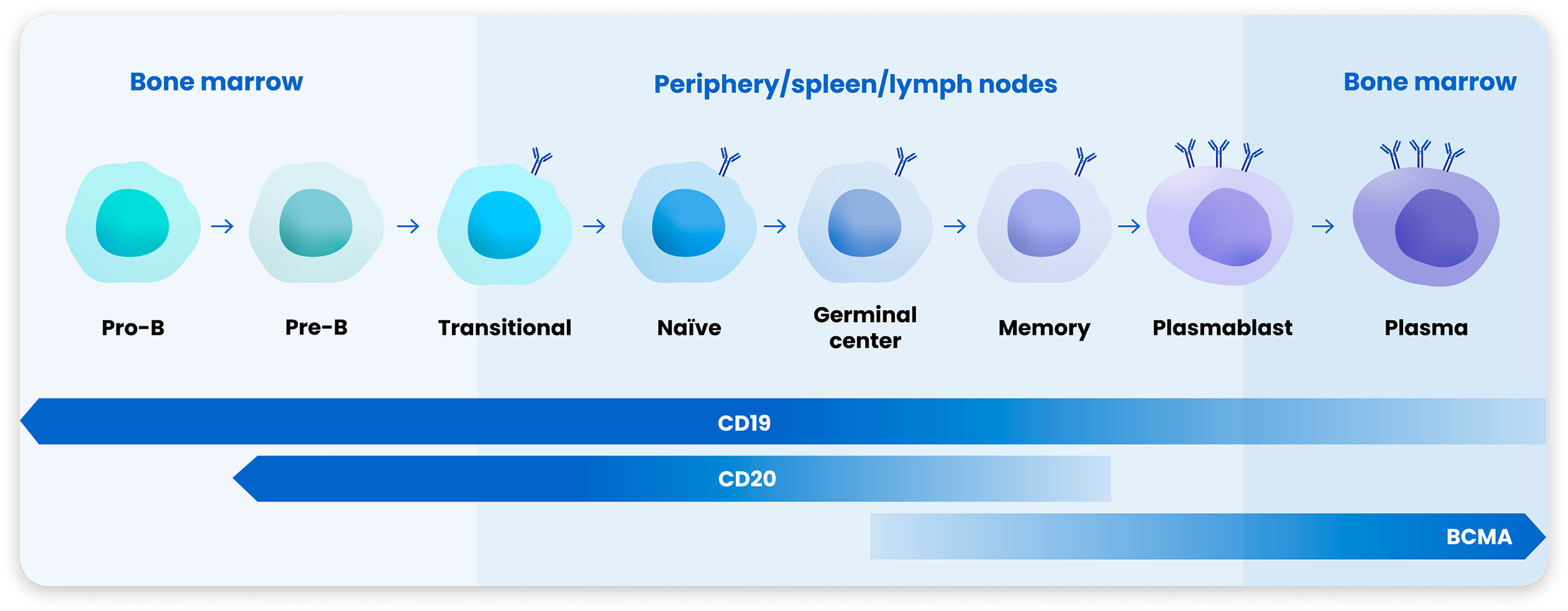
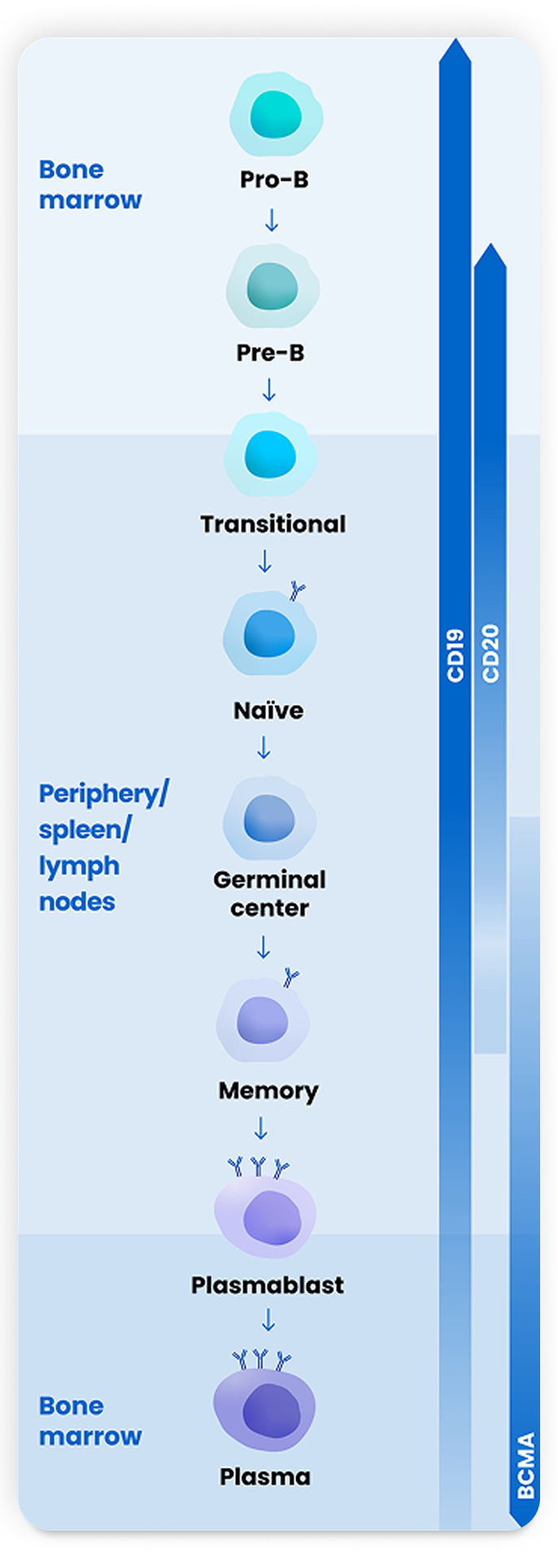
Several B-cell targets have been studied and continue to be explored in autoimmune disease3
Target (B cell surface protein) |
B cell populations targeted |
Scientific considerations |
|---|---|---|
CD19 |
Across the B cell lineage3 |
|
CD20 |
Primarily mature B cells3 |
|
BCMA |
Primarily antibody-producing cells, such as plasmablasts and plasma cells3 |
|
B-cell populations targeted
Across the B cell lineage3
Scientific considerations
- Validated target with clinical experience14
- Researchers are continuing to explore how engagement across the B-cell lineage can impact depth of
and clinical outcomes10
B-cell populations targeted
Primarily mature B cells3
Scientific considerations
- Validated target with extensive clinical experience3
- Researchers are continuing to explore how engagement of mature B cells can impact depth of B-cell depletion and clinical outcomes4
B-cell populations targeted
Primarily antibody-producing cells, such as plasmablasts and plasma cells3
Scientific considerations
- Emerging target with early clinical validation14
- Researchers are continuing to understand the role of plasmablasts and plasma cells in driving disease across autoimmune conditions14
While different B cell targets engage different B cell populations, researchers are also studying how different therapeutic modalities may influence B-cell depletion.
Multiple B-cell–targeting modalities continue to be explored for autoimmune disease3
Non-cellular therapies3
TCEs are readily available and do not require cell engineering14
Can be designed as:15
- Bispecific TCE, which binds
- Trispecific TCE, which binds CD3 on T cells and multiple additional targets
How they work3
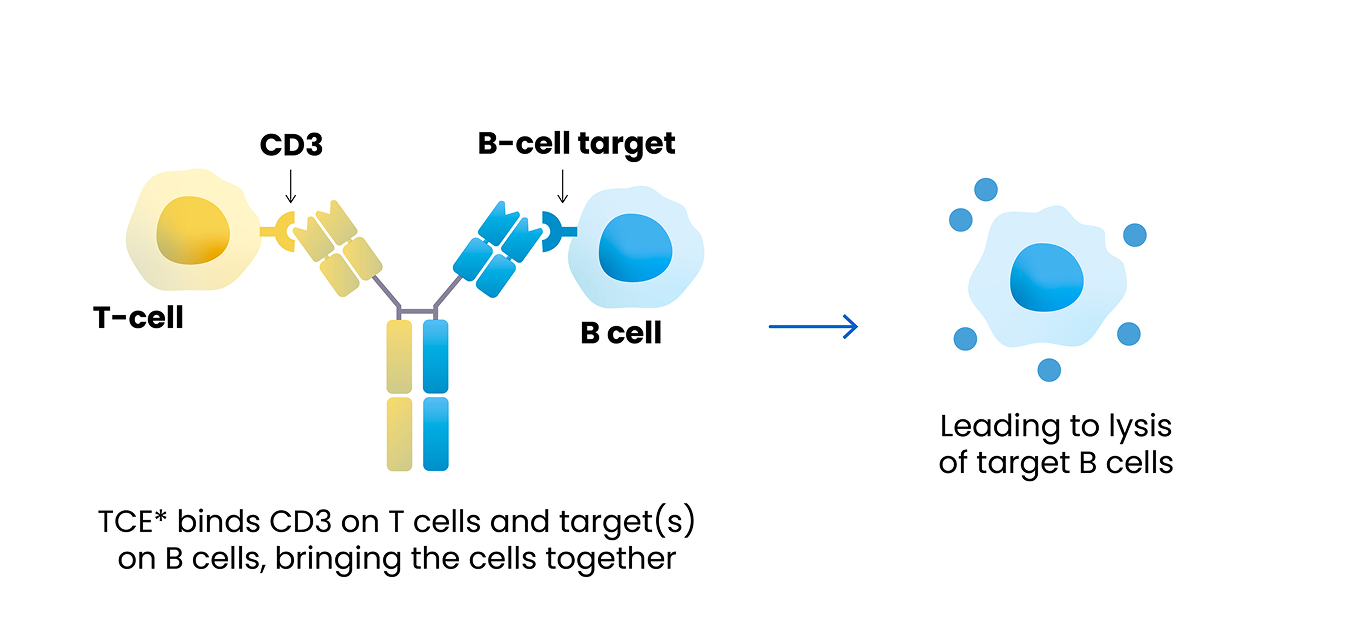
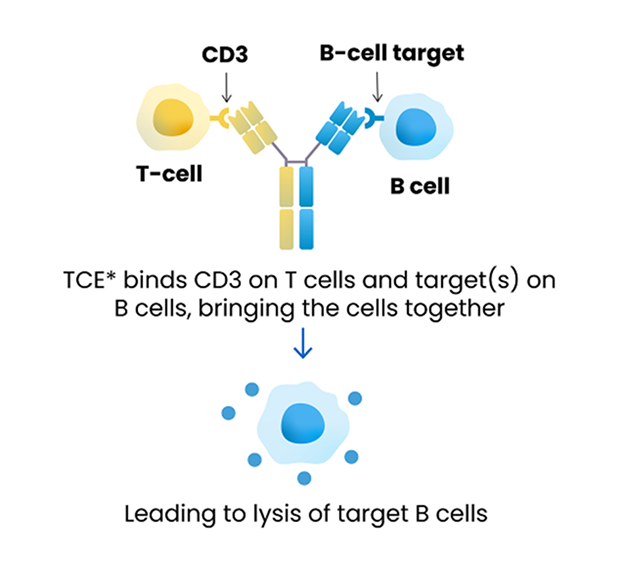
*Example bispecific TCE format shown.
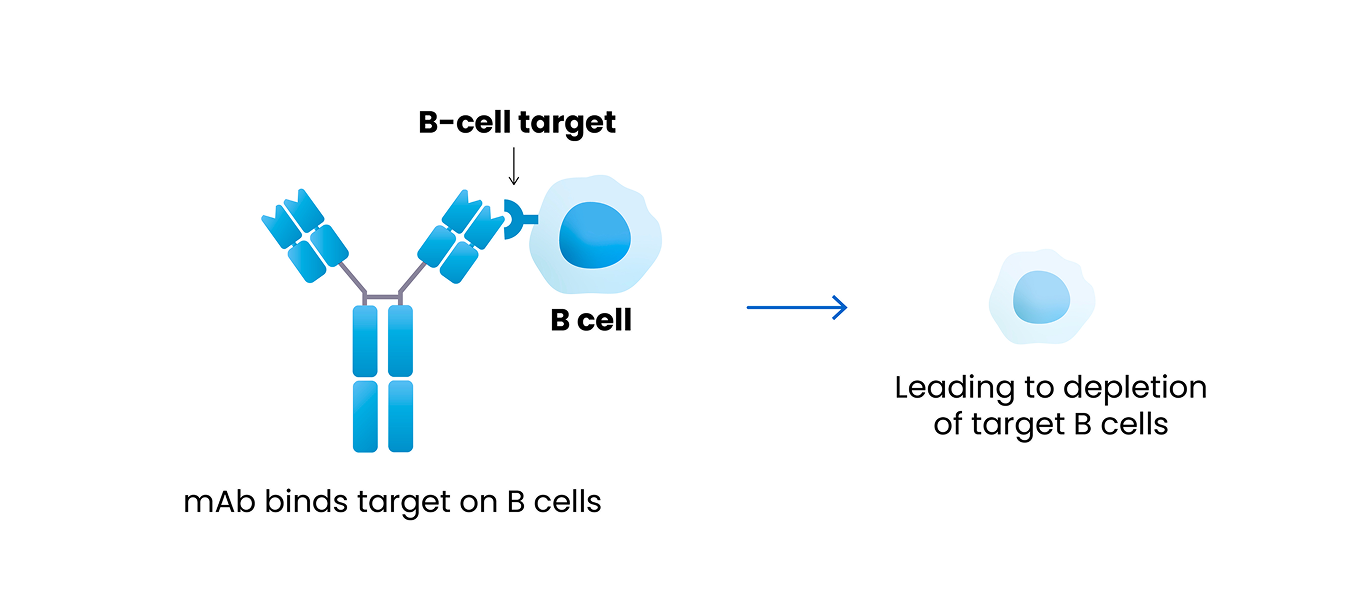
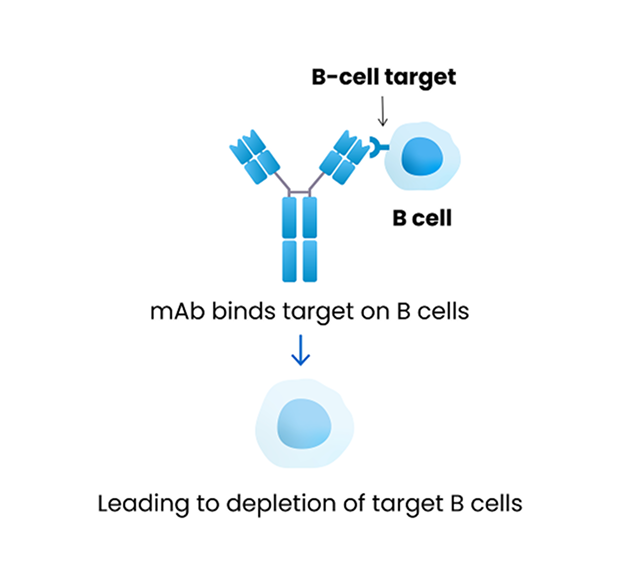
mAbs are readily available and do not require cell engineering3
How they work3
Cellular therapies
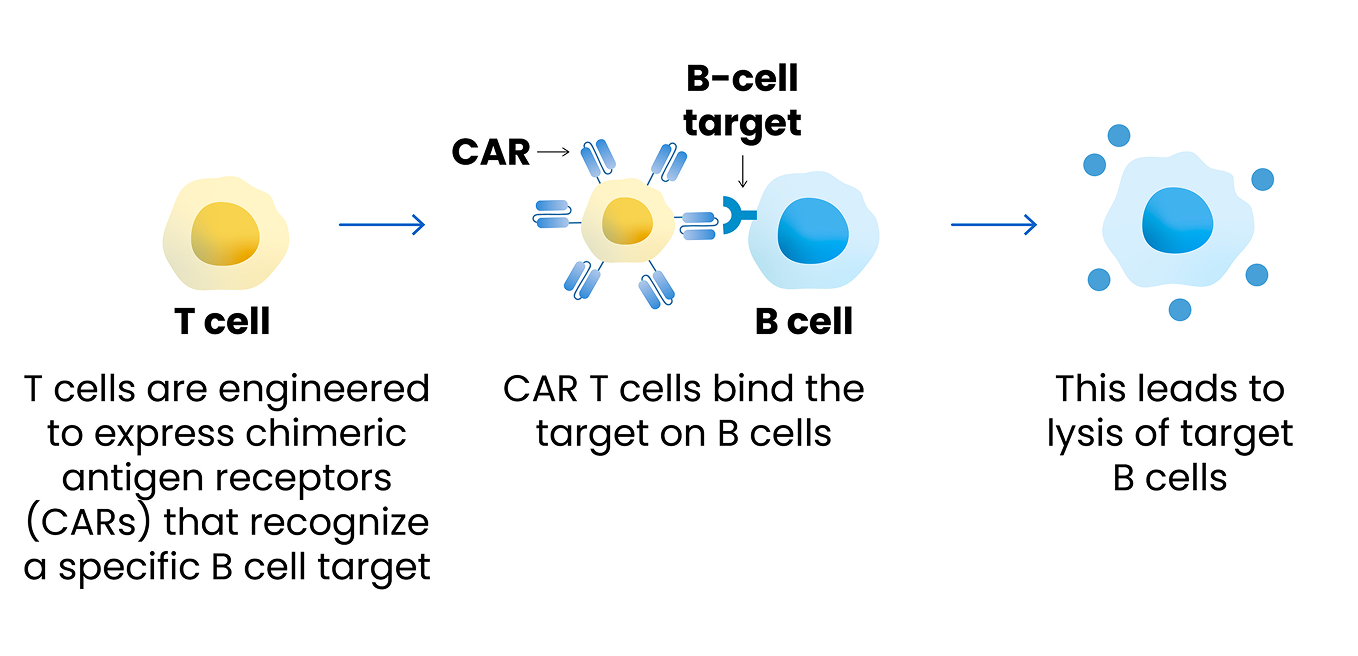
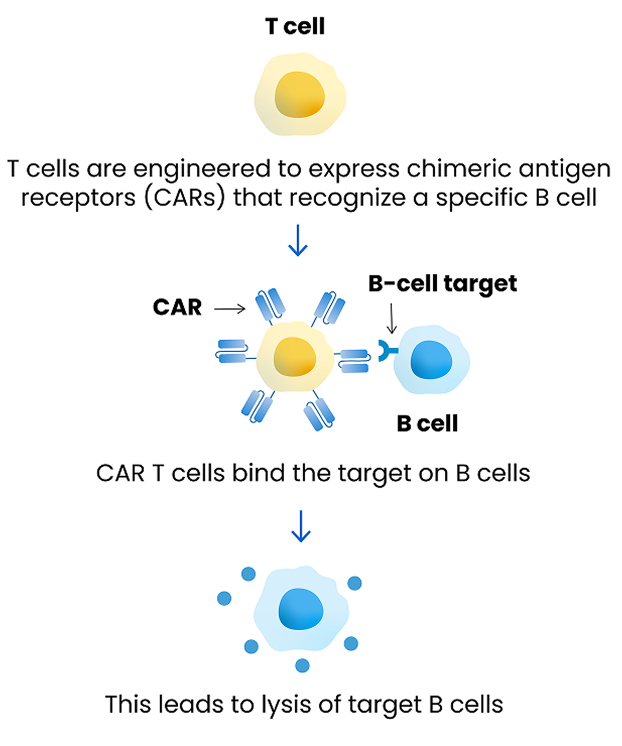
Approaches being explored include
Manufacturing and delivery can vary across these approaches:
- Autologous: patient’s T cells are retrieved, engineered and re-infused10
- Allogeneic:
- In vivo: patient’s T cells are engineered within the body16
How they work3
Together, these therapeutic modalities provide multiple approaches to targeting B cells and achieving B-cell depletion. Ongoing research will help to improve understanding of how differences between these approaches may influence B-cell depletion, disease activity, and clinical outcomes.3
FOR PATIENTS
There are several ways to target B cells. Researchers are studying how these different approaches can be used to treat patients with autoimmune disease3
Research continues to explore how different B cell targets and therapeutic modalities influence the depth, breadth, and location of B-cell depletion, as well as whether these differences can improve disease control and clinical outcomes14,16
ANCA, anti-neutrophil cytoplasmic antibodies; CAR, chimeric antigen receptor; CD, cluster of differentiation.
References: 1. Merino-Vico A, Frazzei G, van Hamburg JP, et al. Targeting B cells and plasma cells in autoimmune diseases: From established treatments to novel therapeutic approaches. Eur J Immunol. 2023;53:2149675. 2. Chi H, Pepper M, Thomas PG. Principles and therapeutic applications of adaptive immunity. Cell. 2024;187:2052-2078. 3. Robinson WH, Fiorentino D, Chung L, et al. Cutting-edge approaches to B-cell depletion in autoimmune diseases. Front Immunol. 2024;15:1454747. 4. Lee DSW, Rojas OL, Gommerman JL. B cell depletion therapies in autoimmune disease: advances and mechanistic insights. Nat Rev Drug Discov. 2021;20:179-199. 5. Getahun A. Role of inhibitory signaling in peripheral B cell tolerance. Immunol Rev. 2022;307:27-42. 6. Nakazawa D, Masuda S, Tomaru U, et al. Pathogenesis and therapeutic interventions for ANCA-associated vasculitis. Nat Rev Rheumatol. 2019;15:91-101. 7. Liu T, Chen B, Yin G, et al. Targeting B Cells for the Treatment of Idiopathic Inflammatory Myopathy. Clin Rev Allergy Immunol. 2025;68:40. 8. Song Y, Li J, Wu Y. Evolving understanding of autoimmune mechanisms and new therapeutic strategies of autoimmune disorders. Signal Transduct Target Ther. 2024;9:263. 9. Jung SM, Kim W-U. Targeted Immunotherapy for Autoimmune Disease. Immune Netw. 2022;22:e9. 10. Schett G, Müller F, Taubmann J, et al. Advancements and challenges in CAR T cell therapy in autoimmune diseases. Nat Rev Rheumatol. 2024;20:531-544. 11. Beesley CF, Goldman NR, Taher TE, et al. Dysregulated B cell function and disease pathogenesis in systemic sclerosis. Front Immunol. 2023;13:999008. 12. Pisetsky DS. Pathogenesis of autoimmune disease. Nat Rev Nephrol. 2023;19:509-524. 13. Ramírez-Valle F, Maranville JC, Roy S, et al. Sequential immunotherapy: towards cures for autoimmunity. Nat Rev Drug Discov. 2024;23:501-524. 14. Junt T, Calzascia T, Traggiai E, et al. Defining immune reset: achieving sustained remission in autoimmune diseases. Nat Rev Immunol. 2025;25:528-541. 15. Grieshaber-Bouyer R, Wu L, Schett G, et al. T cell engagers in autoimmune diseases. Nat Rev Immunol. Published online ahead of print: 2026. doi:10.1038/s41577-026-01318-x. 16. Li Y-R, Yang L. Autologous, allogeneic, in vivo CAR for autoimmune diseases. Trends Pharmacol Sci. 2026;47:11-14.